>>

A luxuriously thick and creamy homemade eggnog with warm nutmeg, easy stove-top technique, and an optional boozy finish. You won't go back to store-bought.
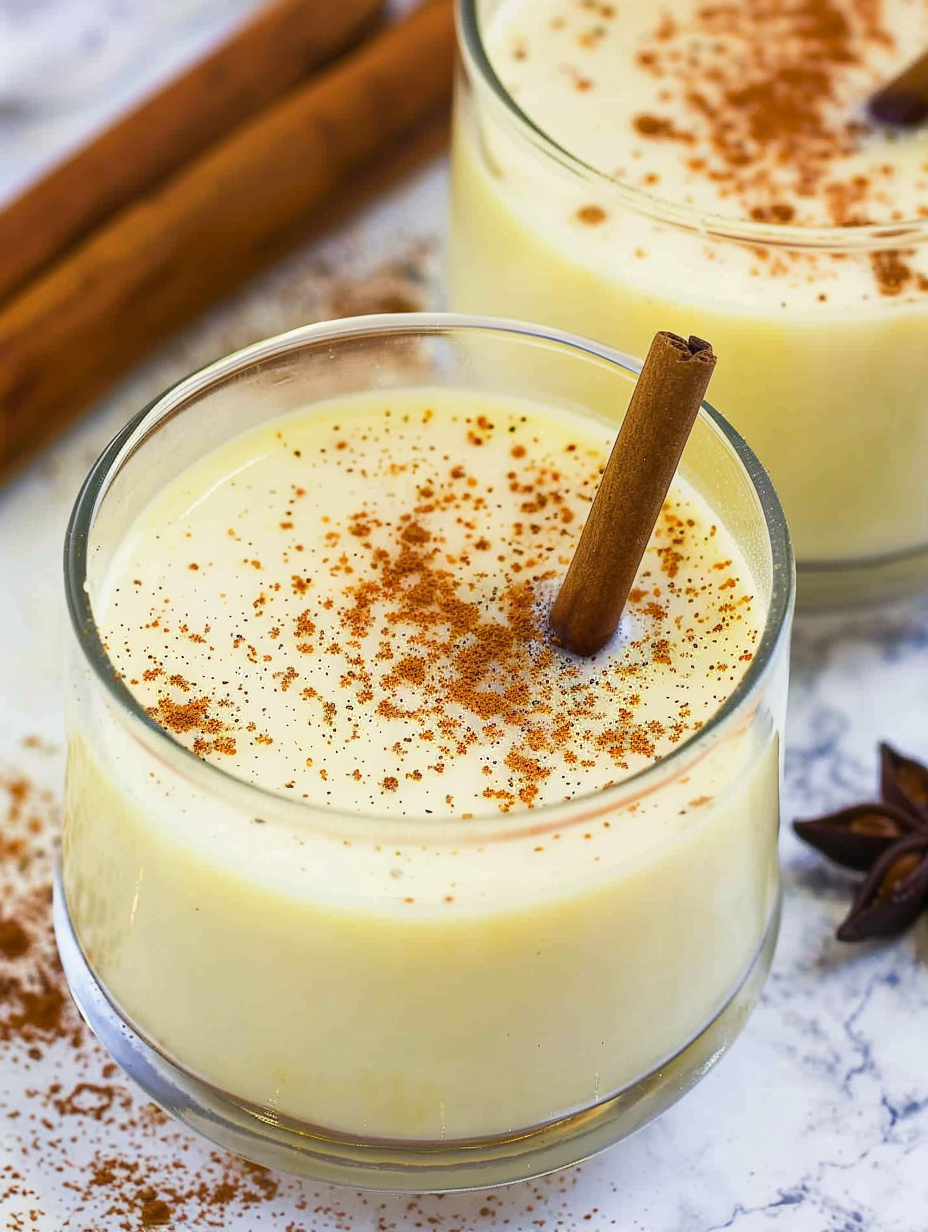
This rich, creamy eggnog has been my holiday indulgence for years. I first developed this version during a blustery December when I wanted something thicker and more aromatic than the cartons at the supermarket. After a few tweaks—more egg yolks for silkiness, fresh ground nutmeg for brightness, and a gentle tempering technique to keep the eggs smooth—it became the drink everyone asks for at family gatherings. The mouthfeel is velvety because of the extra yolks and heavy cream, while the nutmeg and a hint of vanilla give it that classic nostalgic flavor.
I make this on the stove using a candy thermometer and a steady hand. The technique is forgiving: whisk the yolks until pale and silky, warm the dairy with spices, temper slowly to avoid scrambled eggs, then finish on the heat until safe and luscious. Served chilled with a dusting of nutmeg, it keeps well for a few days and can be spiked with bourbon or rum. It’s become my gift to guests who want a homemade holiday memory rather than a carton of bland punch.
My first time serving this to extended family, the room went quiet after the first sip—then a chorus of compliments. I realized this recipe had more than nostalgia: it had technique. Guests keep asking for the recipe and requesting a version with a little more kick. I love that a small change in eggs and technique turned a simple drink into an all-time favorite.
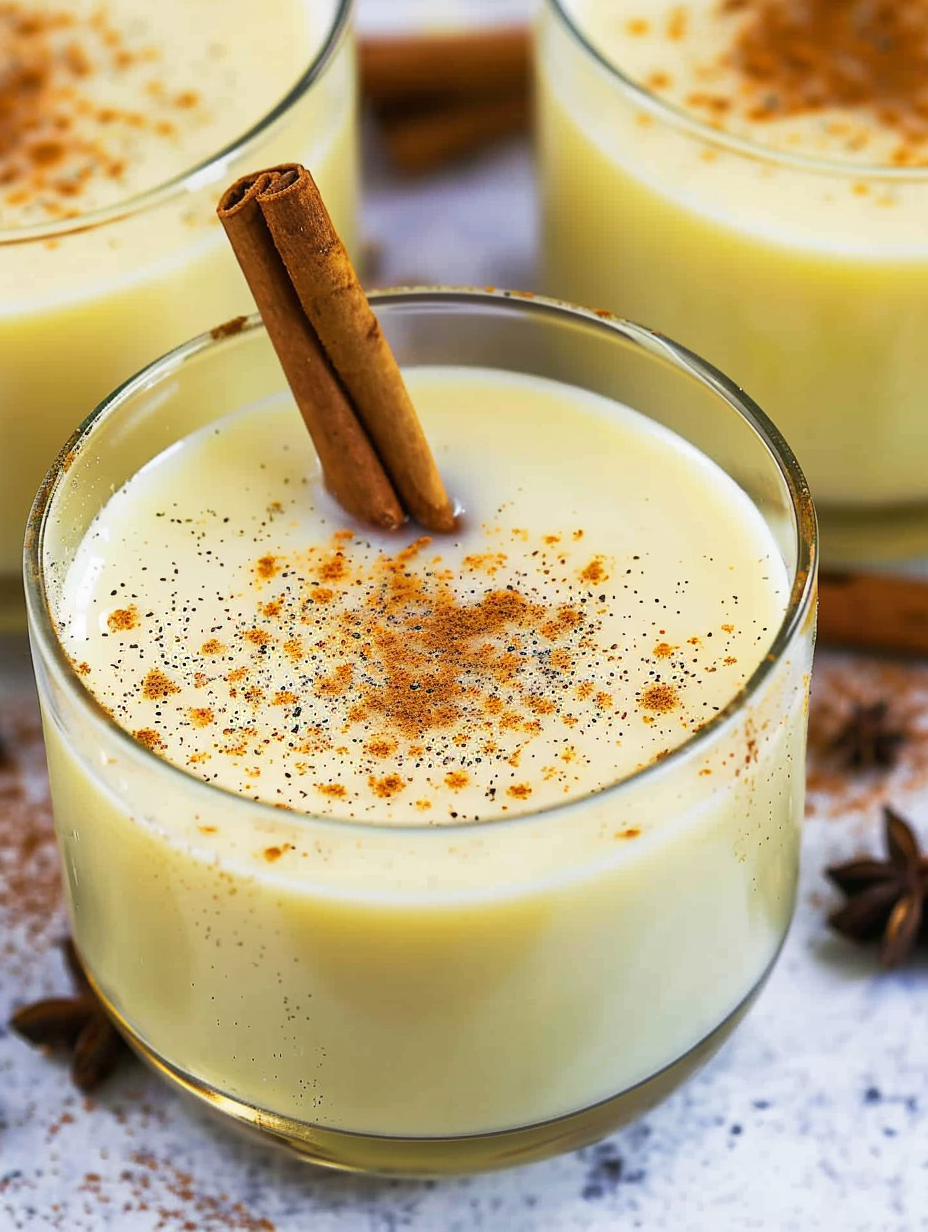
One of my favorite things about this version is how the nutmeg aroma fills the kitchen as it cools. At holiday brunch, the kids get a small cup and the adults often add a splash of bourbon. It’s the little rituals—the hand-grated nutmeg, the warm clove scent, the ritual of tempering—that make this more than a drink: it becomes a family tradition that signals the season.
Store chilled in an airtight glass container for best flavor. Eggnog keeps well in the refrigerator for 2 to 3 days; beyond that the texture and flavor begin to degrade. If you add alcohol, it may keep a bit longer but still use within 3 to 4 days for optimal texture. Reheat gently if you prefer warm eggnog—do not boil; heat only until steaming and serve immediately. Use clear containers so you can see any separation; if the surface develops off-odors or significant separation, discard.
For a lighter version, swap half the heavy cream for additional whole milk or use half-and-half for a compromise between richness and calories. To reduce sugar, decrease to 1/3 cup granulated sugar, but expect a less indulgent finish. If you want a dairy-free alternative, use a cashew-cream base made from soaked cashews blended with unsweetened almond milk and a pinch of turmeric for color—note the flavor and mouthfeel will differ from the classic. For a spicier profile, add a cinnamon stick while heating and remove before chilling.
Serve chilled in small glasses with a light dusting of freshly grated nutmeg and a cinnamon stick for garnish. Pair with buttery cookies, gingerbread, or sugared pecans. For brunch, offer alongside French toast or a rich bread pudding. A small shot of bourbon, rum, or brandy stirred in just before serving deepens the flavors—start with 1/4 cup alcohol per batch and allow guests to taste and adjust.
Eggnog has colonial American roots, evolving from early European posset and syllabub traditions that mixed hot milk, wine, ale, or spirits with eggs and sugar. In the United States, rum from the Caribbean and later bourbon in the South became classic pairings. Over time, the drink shifted from a hearth-side indulgence to a holiday staple. Regional variations include Puerto Rican coquito, which uses coconut milk, and British possets that often incorporate citrus; each reflects local ingredients and spirits.
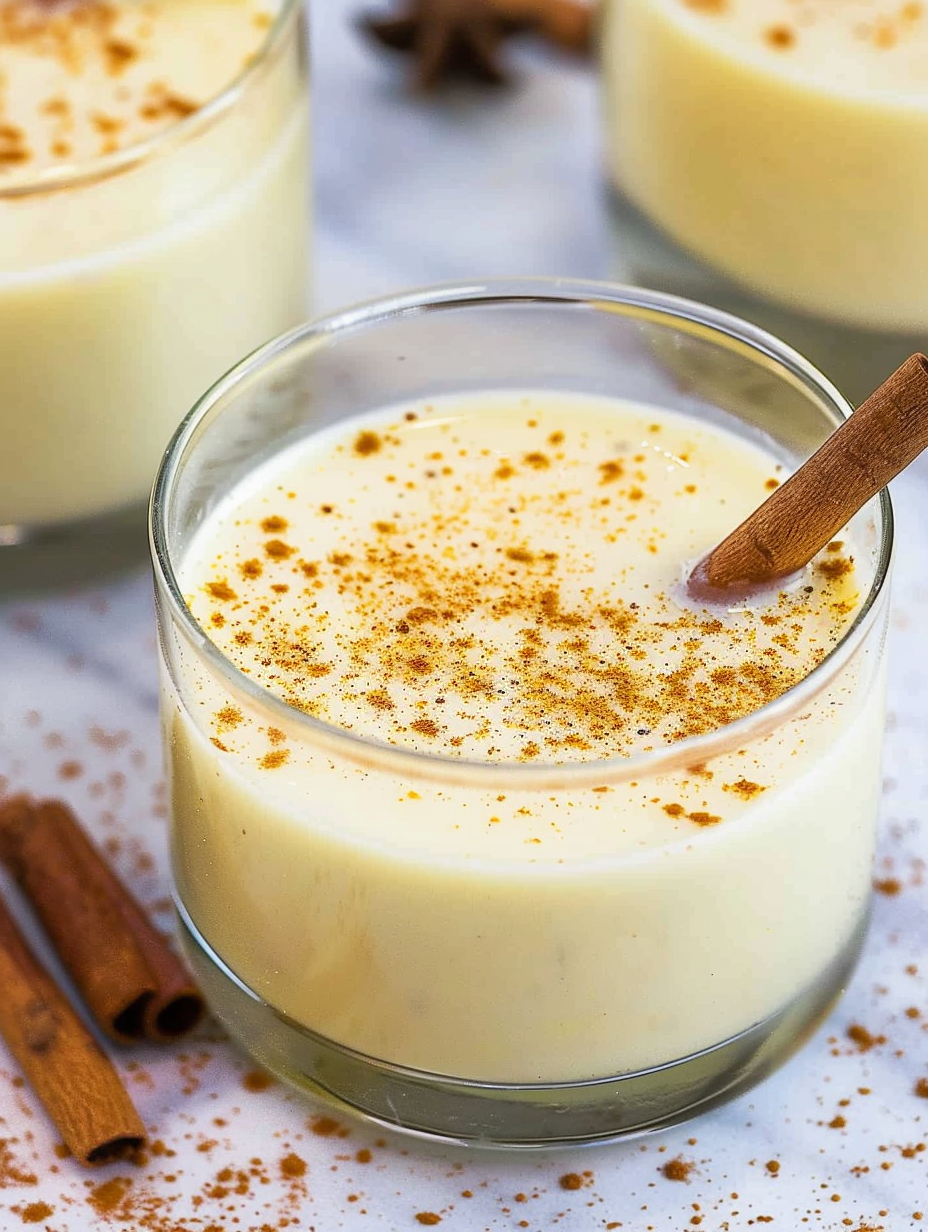
In winter, emphasize warm spices: increase nutmeg to 1 1/4 teaspoons and add 1/2 teaspoon ground cinnamon. For a spring or summer twist, reduce cream by a quarter and add light citrus zest for brightness. For holiday parties, make a spiked and a non-spiked batch so all guests are included. You can also infuse the milk with star anise or vanilla bean for a more complex aromatic profile—remove solids before combining with the eggs.
Make the mixture a day ahead and chill to let flavors meld; this improves depth and smoothness. Keep the refrigerated batch in a sealable glass pitcher and whisk briefly before serving to reincorporate any settled spices. Portion into single-serve mason jars for grab-and-go holiday offerings and label with suggested garnish and alcohol add-ins. If transporting, keep on ice and serve cold within a few hours.
This simple technique transforms a few ingredients into something memorable. Invite someone over, play some music, and let the aroma of nutmeg and vanilla set the tone. Once you make this, you’ll understand why homemade is so much better than anything in a carton.
Use an instant-read thermometer and aim for 160–170°F to ensure safety without curdling.
Tempering slowly is the key: add hot dairy a little at a time while whisking constantly to prevent scrambled eggs.
For the silkiest texture, strain the finished mixture through a fine-mesh sieve before chilling.
This nourishing homemade eggnog recipe is sure to be a staple in your kitchen. Enjoy every moist, high protein slice — it is perfect for breakfast or as a wholesome snack any time.
This Homemade Eggnog recipe makes perfectly juicy, tender, and flavorful steak every time! Serve with potatoes and a side salad for an unforgettable dinner in under 30 minutes.
Beat 7 yolks with 1/2 cup sugar until pale and thick, about 6–8 minutes, to incorporate air and create a smooth base.
Warm 1 3/4 cups milk, 1 cup heavy cream, 1 teaspoon nutmeg, 2 cloves (optional), and a pinch of salt over medium heat until it simmers at the edges; do not boil.
Add a small ladle of hot dairy to the yolk mixture while whisking constantly, repeating until incorporated to avoid scrambling the eggs.
Return mixture to the saucepan and stir constantly until it reaches 160–170°F and thickens slightly, then remove from heat and add vanilla.
Remove cloves, strain if desired, refrigerate until cold (at least 2 hours). Serve chilled with grated nutmeg and optional alcohol added to taste.
Last Step: Please leave a rating and comment letting us know how you liked this recipe! This helps our business to thrive and continue providing free, high-quality recipes for you.
Leave a comment & rating below or tag
@flavest on social media!
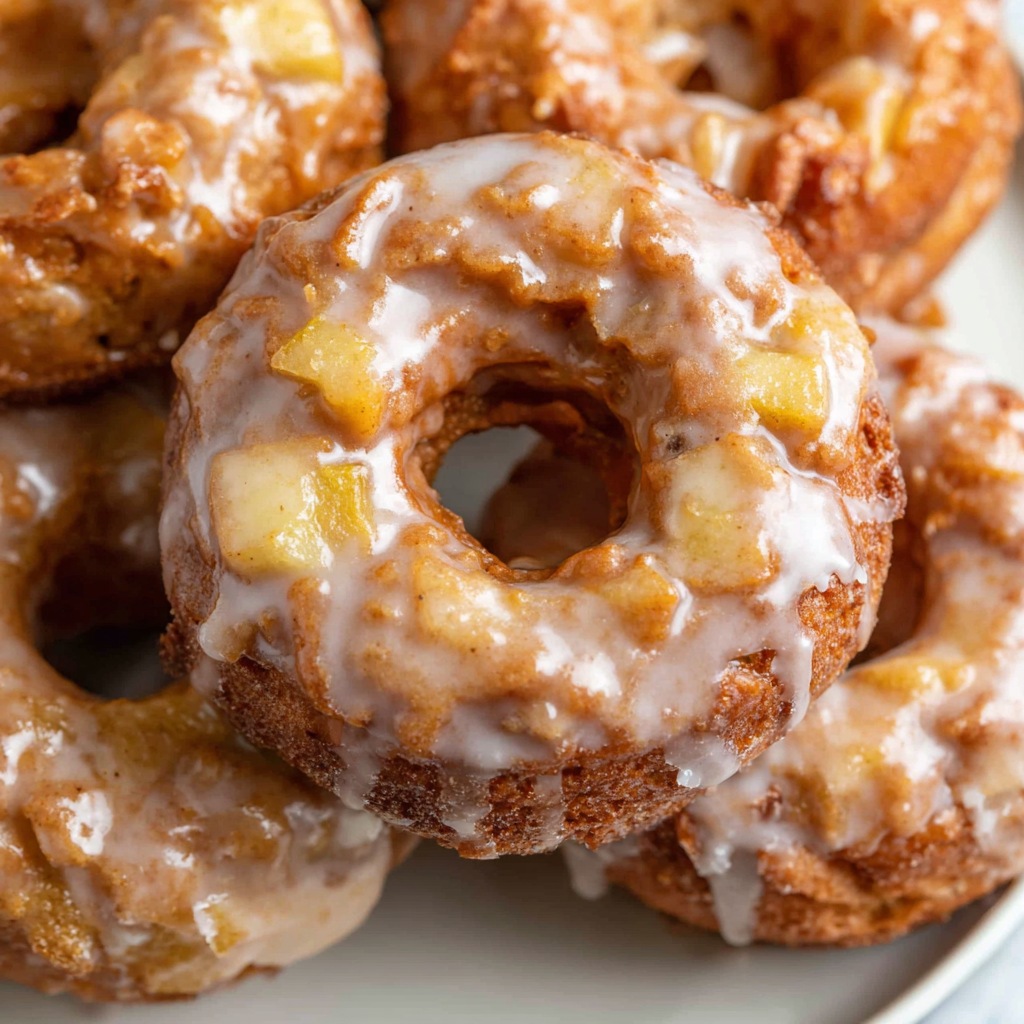
Warm-spiced apple cider donuts with tender apple bits and a glossy cider glaze, fried crisp and irresistibly cozy for fall.
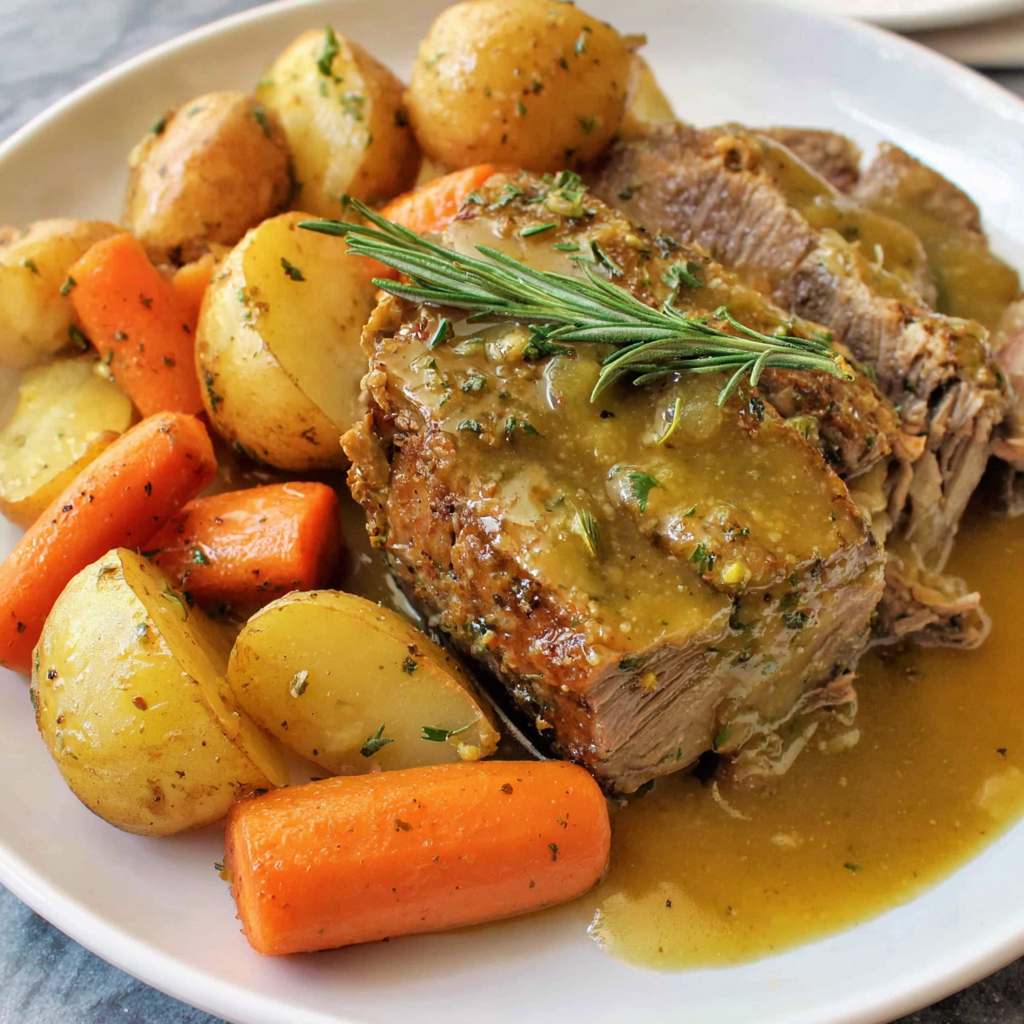
All-day slow cooking turns pork shoulder, potatoes, and carrots into a tender, savory classic with a rich homemade gravy everyone will love.

Tender layers of Yukon gold potatoes with seasoned beef in a creamy, cheddar sauce, baked until bubbly and irresistibly comforting.
Leave a comment & rating below or tag @flavest on social media!
Enjoyed this recipe? Share it with friends and family, and don't forget to leave a review!
This recipe looks amazing! Can't wait to try it.
Comments are stored locally in your browser. Server comments are displayed alongside your local comments.

Join to receive our email series which contains a round-up of some of our quick and easy family favorite recipes.